

Glaucoma Treatment
Our Treatments
Schedule Your Eye Exam Today
Comprehensive eye evaluations
Personalized care recommendations
Advanced vision solutions
What Is Glaucoma?
Glaucoma is a group of eye diseases that damage the optic nerve, which is vital for good vision. This damage is often caused by abnormally high pressure in the eye (intraocular pressure). Glaucoma is one of the leading causes of blindness for people over the age of 60. However, blindness from glaucoma can often be prevented with early treatment.
Types of
Glaucoma
Glaucoma can develop in different forms, each affecting the eye’s drainage system and optic nerve in different ways. Understanding the type of glaucoma is important for determining the appropriate monitoring and treatment approach. From the common open-angle form to less common types, early detection and regular eye care can help protect your vision.
Primary Open-Angle Glaucoma
The most common form, where the eye’s drainage canals become clogged over time, leading to increased eye pressure.
Angle-Closure Glaucoma
Occurs when the iris bulges forward to narrow or block the drainage angle formed by the cornea and iris, leading to a sudden increase in eye pressure.
Normal-Tension Glaucoma
Optic nerve damage occurs even though eye pressure is within the normal range.
Congenital Glaucoma
A rare form present at birth, resulting from abnormal development of the eye’s drainage system.
Secondary Glaucoma
Develops as a result of another eye condition, injury, or disease.

Causes and Risk Factors
- Elevated Intraocular Pressure: The most significant risk factor.
- Age: People over 60 are at increased risk.
- Family History: A family history of glaucoma increases risk.
- Medical Conditions: Conditions like diabetes, heart disease, and high blood pressure can increase risk.
- Eye Conditions:
Severe eye injuries, retinal detachment, and eye tumors can lead to secondary glaucoma.
Symptoms
Glaucoma is often called the "silent thief of sight; because it typically has no symptoms in its early stages.
Open-Angle Glaucoma
Gradual loss of peripheral vision, usually in both eyes.
Angle-Closure Glaucoma
Sudden onset of severe eye pain, nausea, vomiting, blurred vision, and halos around lights.
Diagnosis
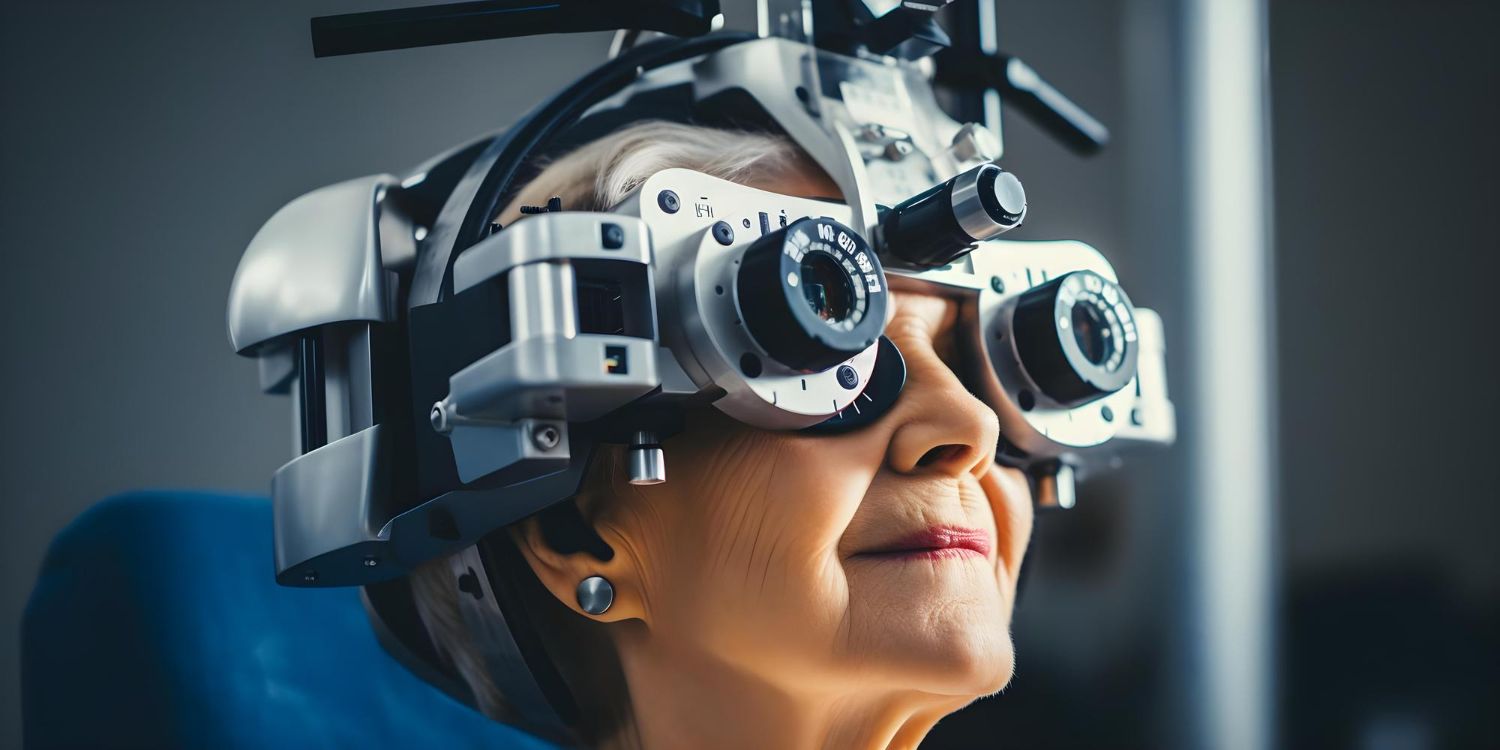
Early detection through regular eye exams is crucial. Tests may include:
- Tonometry: Measures intraocular pressure.
- Ophthalmoscopy: Examines the shape and color of the optic nerve.
- Perimetry: Tests the complete field of vision.
- Gonioscopy: Inspects the drainage angle of the eye.
- Pachymetry:
Measures the thickness of the cornea.
Treatment Options
While damage from glaucoma cannot be reversed, treatment can prevent further vision loss.
Medications
Prescription Eye Drops: Decrease eye pressure by improving drainage or reducing fluid production.
Laser Therapy
- Trabeculoplasty: For open-angle glaucoma, improves drainage through the trabecular meshwork.
- Iridotomy: For angle-closure glaucoma, creates a small hole in the iris to improve fluid flow.
Surgery
- Trabeculectomy: Creates a new drainage pathway for fluid.
- Drainage Implants: Inserts a small tube to help drain fluid.
At leading institutions like the Bascom Palmer Eye Institute and the Wilmer Eye Institute, advanced surgical techniques and personalized treatment plans are employed to manage glaucoma effectively.
When to Seek Medical Attention
Immediate medical attention is necessary if you experience:
- Sudden vision loss
- Severe eye pain
- Nausea and vomiting
- Blurred vision
- Halos around lights
Regular comprehensive eye exams are essential, especially if you’re over 60 or have risk factors for glaucoma.
Contact Us Today
Take the first step toward healthier vision with trusted, personalized eye care from our experienced team. Whether you need a routine exam or specialized treatment, we’re here to help you see your best.
Contact Us
We will get back to you as soon as possible.
Please try again later.
Helping You See What Matters Most
American Eye Care Center is a one of the most well established practices in the Washington metropolitan offering the comprehensive services

I had a wonderful experience at American Eye Care Center. The staff was welcoming, knowledgeable, and truly cared about my vision.
The team was very professional and made me feel comfortable throughout my visit. The staff was friendly, and the eye exam was thorough and easy to understand.
Great experience from start to finish. The doctors took the time to answer all my questions and provided excellent care.
I had a wonderful experience at American Eye Care Center. The staff was welcoming, knowledgeable, and truly cared about my vision.
The team was very professional and made me feel comfortable throughout my visit. The staff was friendly, and the eye exam was thorough and easy to understand.