

Blepharitis Treatment
Our Treatments
Schedule Your Eye Exam Today
Comprehensive eye evaluations
Personalized care recommendations
Advanced vision solutions
What Is Blepharitis?
Blepharitis is a chronic inflammation of the eyelids, particularly affecting the area where the eyelashes grow. It a prevalent condition that can cause discomfort and may be associated with other eye issues like dry eye syndrome and meibomian gland dysfunction (MGD).
Types of
Blepharitis
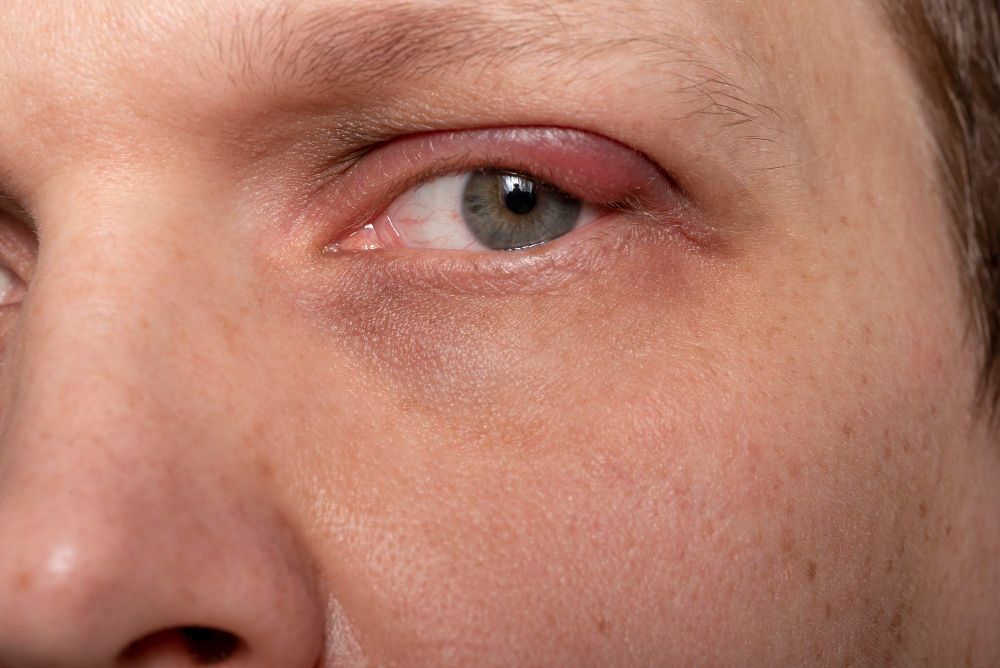
Blepharitis can affect different areas of the eyelids and is generally classified into two main types. Understanding whether inflammation affects the outer eyelid margin or the inner edge can help determine the underlying cause and appropriate care. Many individuals may experience a combination of both types.
- Anterior Blepharitis: Affects the outer front edge of the eyelid where eyelashes are attached.
- Posterior Blepharitis: Involves the inner edge of the eyelid that comes into contact with the eyeball, often linked to MGD.
Causes
Blepharitis can result from various factors, including:
- Bacterial Infections: Overgrowth of bacteria on the eyelids.
- Skin Conditions: Such as seborrheic dermatitis (dandruff) and rosacea.
- Meibomian Gland Dysfunction (MGD): Blockage or malfunction of the oil glands in the eyelids.
- Demodex Mites: Microscopic mites that inhabit hair follicles.
- Allergic Reactions: To eye makeup, contact lens solutions, or environmental allergens
Poor eyelid hygiene can exacerbate these issues, leading to inflammation.
Symptoms
Common symptoms include:
- Red, swollen, or itchy eyelids
- A gritty or burning sensation in the eyes
- Crusting or flaking at the base of the eyelashes
- Sensitivity to light
- Excessive tearing or dry eyes
- Blurred vision
- Loss of eyelashes or misdirected lashes
Diagnosis
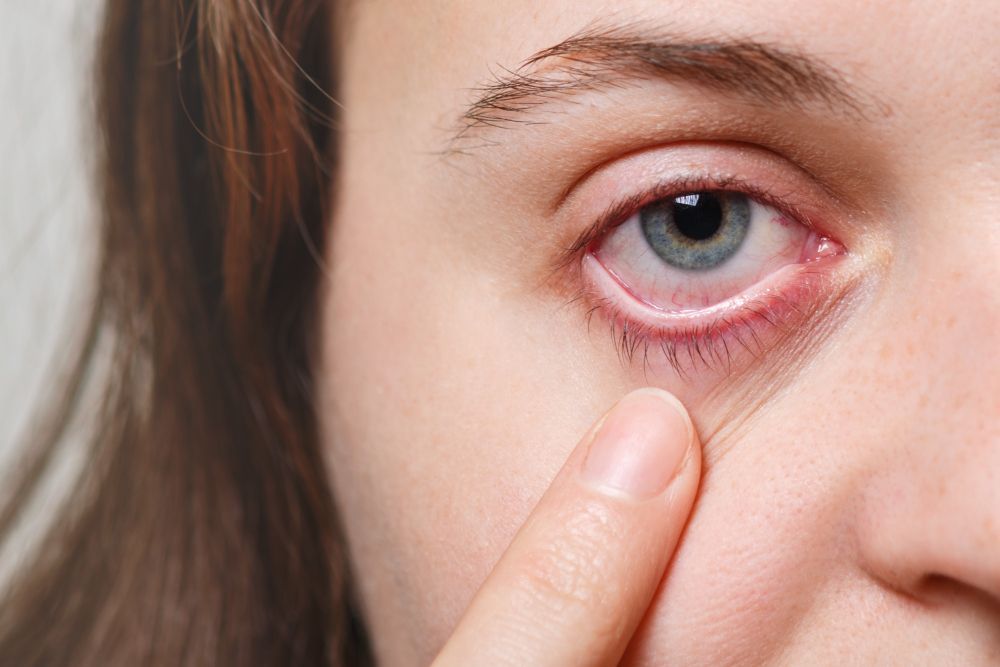
An eye care professional will:
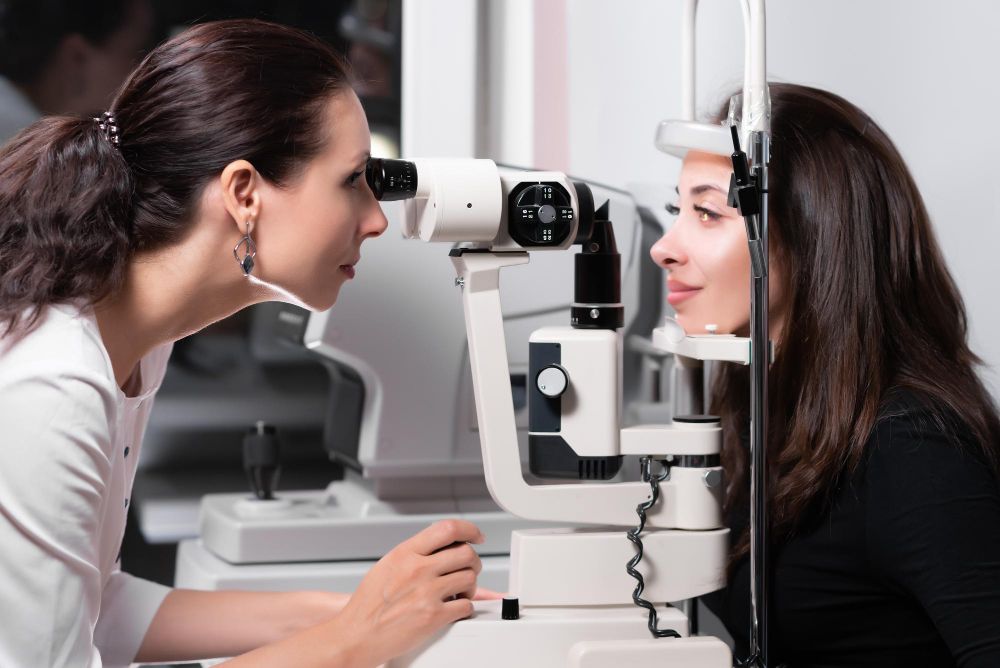
- Examine the Eyelids and Eyelashes: Using magnification to look for signs of inflammation, crusting, or mites.
- Assess Tear Production: To determine if dry eye is present.
- Evaluate Meibomian Gland Function: To check for blockages or dysfunction.
In some cases, additional tests may be conducted to rule out other conditions.
Treatment Options
While blepharitis is often a chronic condition, symptoms can be managed effectively with proper care:
Eyelid Hygiene
- Warm Compresses: Apply a warm, moist cloth to closed eyelids for 5–10 minutes to loosen crusts and unclog oil glands.
- Lid Scrubs: Gently clean the eyelid margins using diluted baby shampoo or over-the-counter eyelid cleansers
- Lid Massage: After warm compresses, gently massage the eyelids to express oil from the meibomian glands.
Medications
- Antibiotic Ointments or Drops: Prescribed to reduce bacterial infection.
- Steroid Eye Drops: Used short-term to decrease inflammation.
- Oral Antibiotics: For more severe or persistent cases, particularly when associated with rosacea.
It’s essential to use medications as directed by an eye care professional.
In-Office Treatments
- BlephEx: A procedure that uses a specialized device to exfoliate the eyelid margins,removing debris and bacteria.
- Intense Pulsed Light (IPL) Therapy: Targets inflammation and improves meibomian gland function, especially beneficial for patients with ocular rosacea.
Lifestyle and Home Remedies
- Omega-3 Supplements: May help improve gland function and reduce inflammation.
- Avoid Eye Makeup: During flare-ups to prevent further irritation.
- Manage Underlying Conditions: Such as dandruff or rosacea, which can contribute to blepharitis.
Potential Complications
If left untreated, blepharitis can lead to:
- Chronic Discomfort: Persistent irritation and redness.
- Eyelash Problems: Loss or misdirection of eyelashes.
- Skin Scarring: Around the eyelids.
- Secondary Infections: Such as styes or chalazia.
- Conjunctivitis: Inflammation of the eye’s surface.
- Corneal Damage: Due to prolonged inflammation.
When to Seek Medical Attention
Consult an eye care professional if you experience:
- Persistent redness or swelling of the eyelids
- Painful or tender eyelids
- Vision changes
- Frequent styes or chalazia
Early diagnosis and treatment can prevent complications and improve quality of life.
References :
- Blepharitis | Johns Hopkins Medicine
- Blepharitis: What’s Behind Your Red, Itchy Eyes | UHealth Collective
- Ocular Surface Disease | Bascom Palmer Eye Institute
Contact Us Today
Take the first step toward healthier vision with trusted, personalized eye care from our experienced team. Whether you need a routine exam or specialized treatment, we’re here to help you see your best.
Contact Us
We will get back to you as soon as possible.
Please try again later.
Helping You See What Matters Most
American Eye Care Center is a one of the most well established practices in the Washington metropolitan offering the comprehensive services

I had a wonderful experience at American Eye Care Center. The staff was welcoming, knowledgeable, and truly cared about my vision.
The team was very professional and made me feel comfortable throughout my visit. The staff was friendly, and the eye exam was thorough and easy to understand.
Great experience from start to finish. The doctors took the time to answer all my questions and provided excellent care.
I had a wonderful experience at American Eye Care Center. The staff was welcoming, knowledgeable, and truly cared about my vision.
The team was very professional and made me feel comfortable throughout my visit. The staff was friendly, and the eye exam was thorough and easy to understand.